
Understanding Food Labels: A Muslim Shopper's Guide
14 June 2026
Understanding Food Labels: A Muslim Shopper's Guide
Shopping for halal products can sometimes feel overwhelming. With a long ingredient list and different numbers and terms you may have never heard of before, it's hard to determine whether it aligns with Islamic dietary requirements. Understanding food labels can help Muslims make choices and shop with greater confidence.
Ingredients to Look Out For
Muslims must identify ingredients that may not be halal, such as pork-derived products, alcohol-based flavours or certain animal-derived additives. While many products are clearly halal, some ingredients may require further attention. These can include:
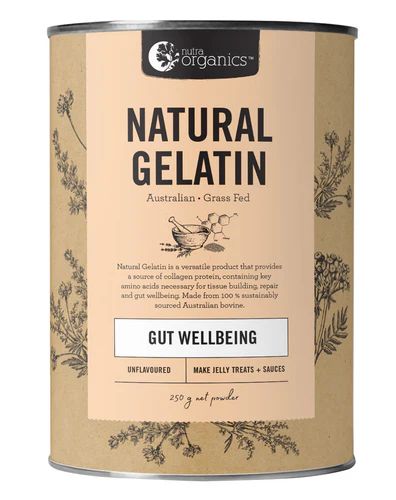
Gelatin
Gelatin is commonly used in lollies, marshmallows, desserts and some medicines. It is usually made from animal collagen, often coming from cows or pigs. If the source is not specified, Muslim consumers may wish to investigate further before purchasing.
Emulsifiers
Some emulsifiers can be derived from either plant or animal sources. Examples include:
- E471 (Mono- and Diglycerides of Fatty Acids)
- E472 (Esters of Mono- and Diglycerides)
- E481 (Sodium Stearoyl Lactylate)
- E477 (Propylene Glycol Esters)
Food Colourings, Additives and Certain Flavourings
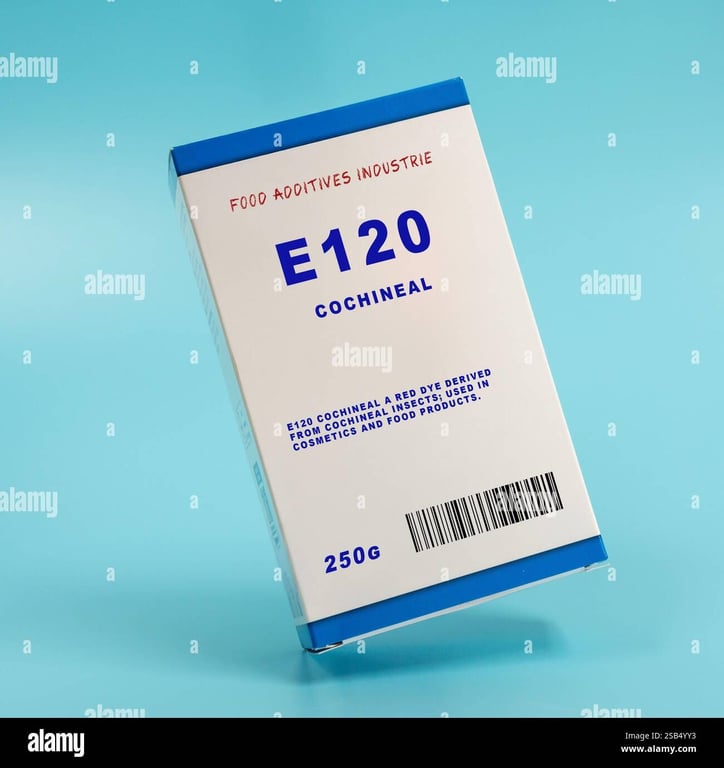
Labels may list "natural flavouring" or "artificial flavouring" without explaining what ingredients were used. Some flavourings can contain alcohol as a solvent during production. Most food colourings are halal, but some are obtained from insects or animal sources. One commonly discussed example is:
- E120 (Carmine or Cochineal), a red colouring made from crushed cochineal insects.
Understanding Halal Certification
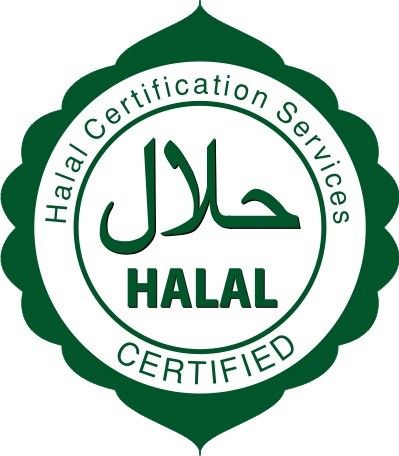
One of the easiest ways to know if a product is halal or not is by checking if there is a halal certification logo on the packaging. These certifications indicate that the product has been assessed and meets halal requirements.
Using Technology to Make Shopping Easier
Modern technology has simplified the process of identifying halal products. Apps such as Alkasa have a feature called HalalScan, allowing users to scan the product's barcode, giving a full run through of the ingredients and access to information to check if it's halal. It helps consumers make decisions without spending time researching ingredient lists.